


Yoga offers a path to strength and calm through varied approaches. Whether you seek a gentle stretch or an energetic practice, understanding the core elements helps you select a session that suits your needs. This guide outlines four popular styles, unpacks a typical class flow, highlights the tools and setting that enrich your practice, and emphasises the role of breath and mindfulness.
Exploring four distinct approaches
Hatha draws on traditional postures and measured pacing. You pause to align each posture fully before moving on. This lends itself to newcomers and those seeking steadiness.
Vinyasa links movement to the breath. You flow from posture to posture in a fluid sequence. That rhythmic harmony feels dynamic yet centring.
Power raises the intensity with faster pace and more challenging positions. You build heat and muscle tone in every class. This suits people who wish to combine yoga stretches with a strength workout.
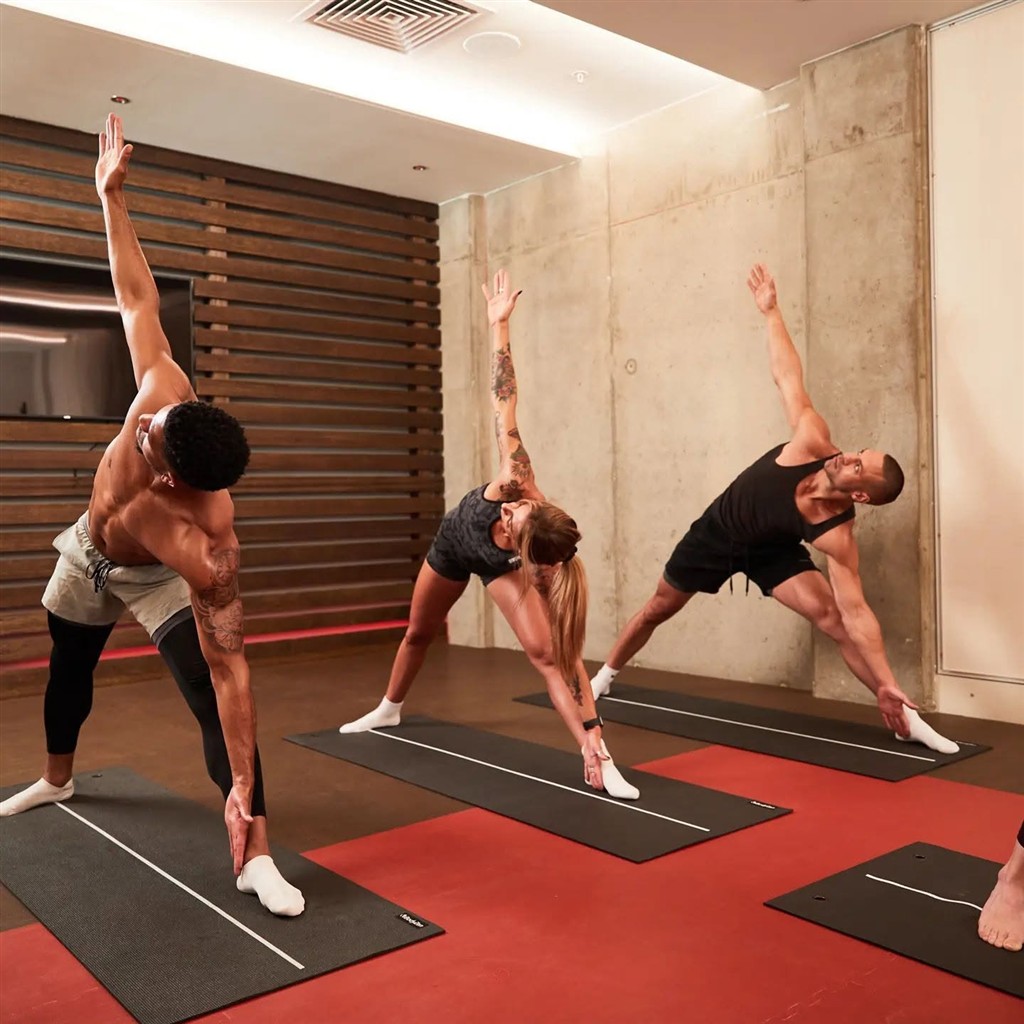
Yin slows the tempo. You hold gentle floor postures for several minutes. That stillness encourages a deep release in connective tissue and fosters introspection.
Structure of a typical session
Most classes begin with a warm-up that awakens the body. A series of sun salutations greets the daylight internally. You link an uplifted arms posture to a forward fold and to a low lunge. Each breath guides the shift.
Following that, you stand tall in foundational positions. Warrior one and two open the hips and strengthen the legs. You learn to ground through your feet while lifting through your torso.
Next come balancing challenges. Tree posture or eagle pose tests your stability and focus. These shapes refine your coordination and invite playful curiosity.
The final stage returns your energy to calm waters. You rest on your mat in supported poses and close with a brief meditation. That cool down soothes any residual tension.
Tools for comfort and focus
A quality mat remains at the heart of every session. It provides traction and cushioning beneath your feet and hands. Foam blocks help you extend your reach or ease into a forward fold. A strap assists in holding a leg or clasping hands when your flexibility needs gentle aid. Subtle lighting and soft background music foster a sanctuary away from bustling life. Together, they shape an immersive environment for your practice.
Integrating breath and stillness
Breath control practices lie at the core of all yoga styles. Pranayama techniques, such as equalising inhale and exhale, lengthen and intensify body awareness. A guided pause in the breath resets mental chatter. When the instructor invites a silent moment, you settle into a meditative state while lying or seated. That taste of stillness provides insight into the interplay between body and mind.
Embracing your journey
Every practitioner unfolds at their own pace. You might blend approaches over time by trying a vinyasa flow one day and a yin session the next. Notice how each style yields different benefits. With regular practice, you cultivate both resilience and serenity. Discover a full schedule of expert‑led yoga sessions on the FitnessFirst website.